Curriculum (Children & Youth)
K-12 Religious Education Curriculum
Introduction
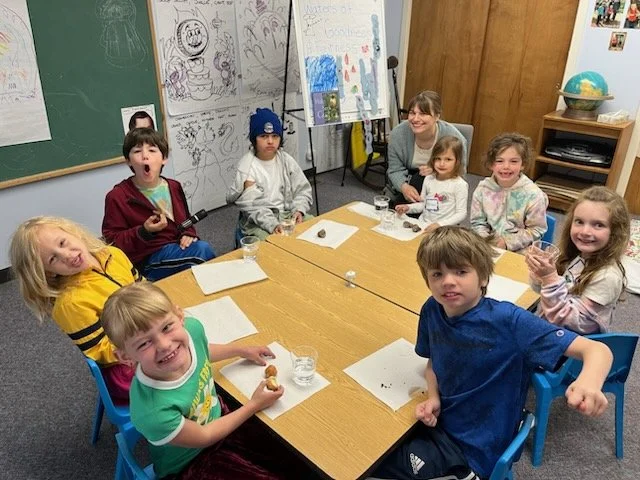
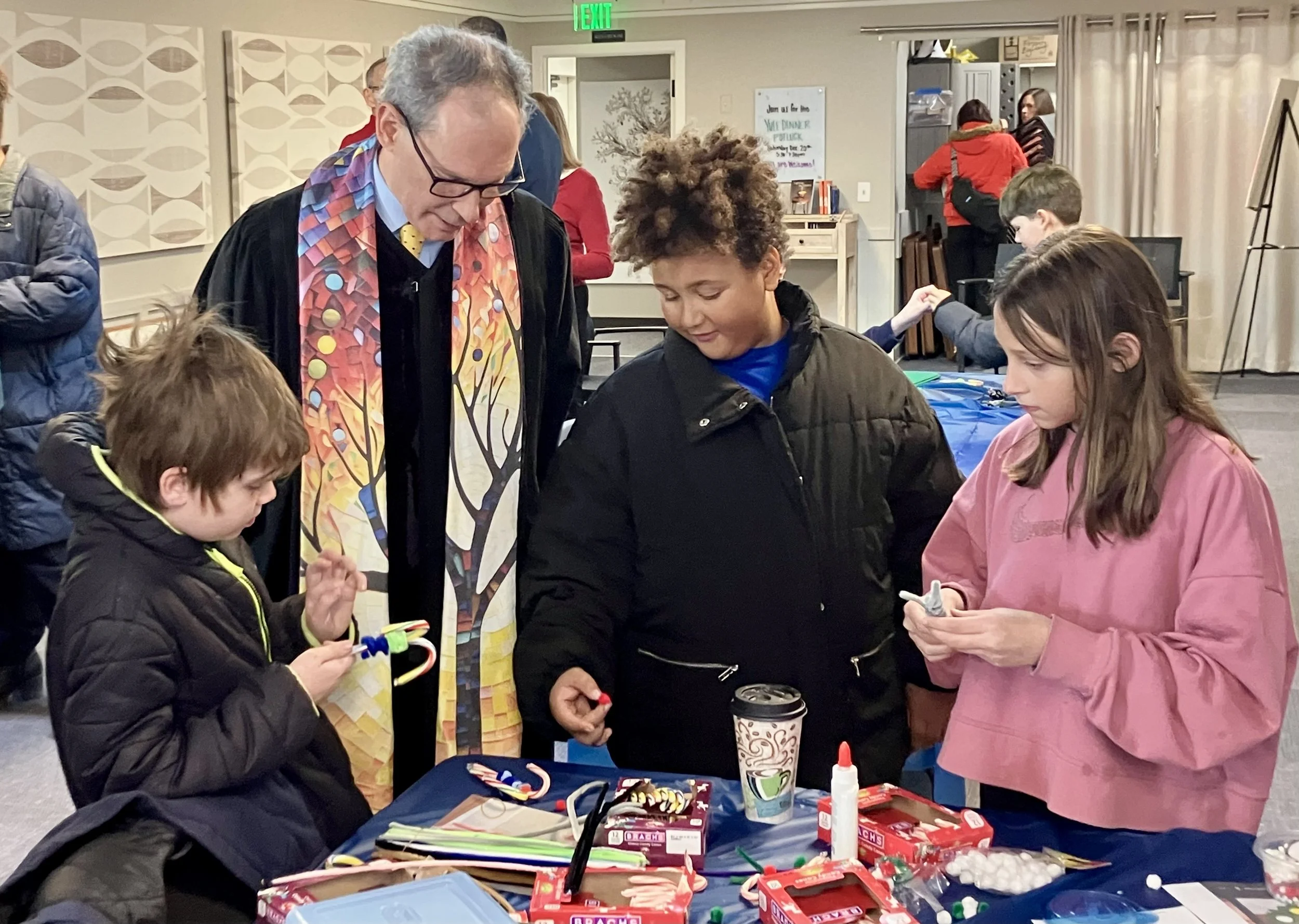
The following information applies to Religious Education (RE) classes, held Sundays during the school year, from 11 am-12 pm. Our children and youth join us in the sanctuary for the beginning of service, then leave with their teachers and peers for classes.
Our fabulous teaching teams for the coming church year can be found here. In the meantime if you have any questions please contact our Director of Religious Education for Children and Youth, Becky Hruby, at dre@uusg.org.
GRADES K-12
Soul Matters
This year, Religious Education (RE) programming will utilize monthly themes for Unitarian Universalists (UUs), published by Soul Matters. Soul Matters Sharing Circle is a network of Unitarian Universalist congregations who share a web of resources, support and connection. Click here to see the 2026-2027 themes and read more about the curriculum.
Soul Matters lessons lift up connections to UU values and provide a foundation for our thinking and planning to engage shared values. Monthly themes tie together the smorgasbord of different beliefs, holidays and practices we encounter as UUs. Using themes allows our community to maintain connection even if people miss a week. When the conversation goes on for an entire month, everybody gets to take part!
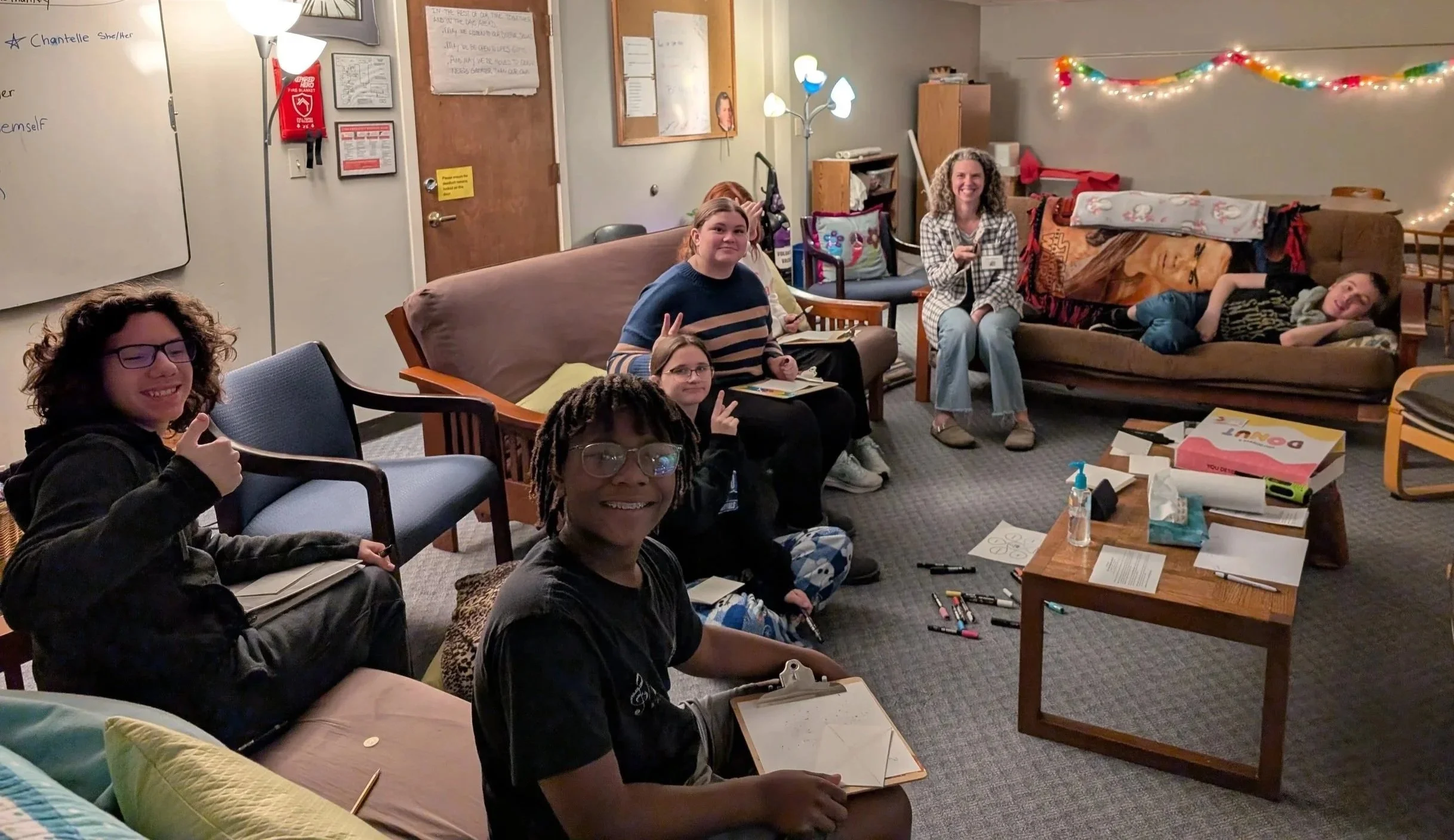
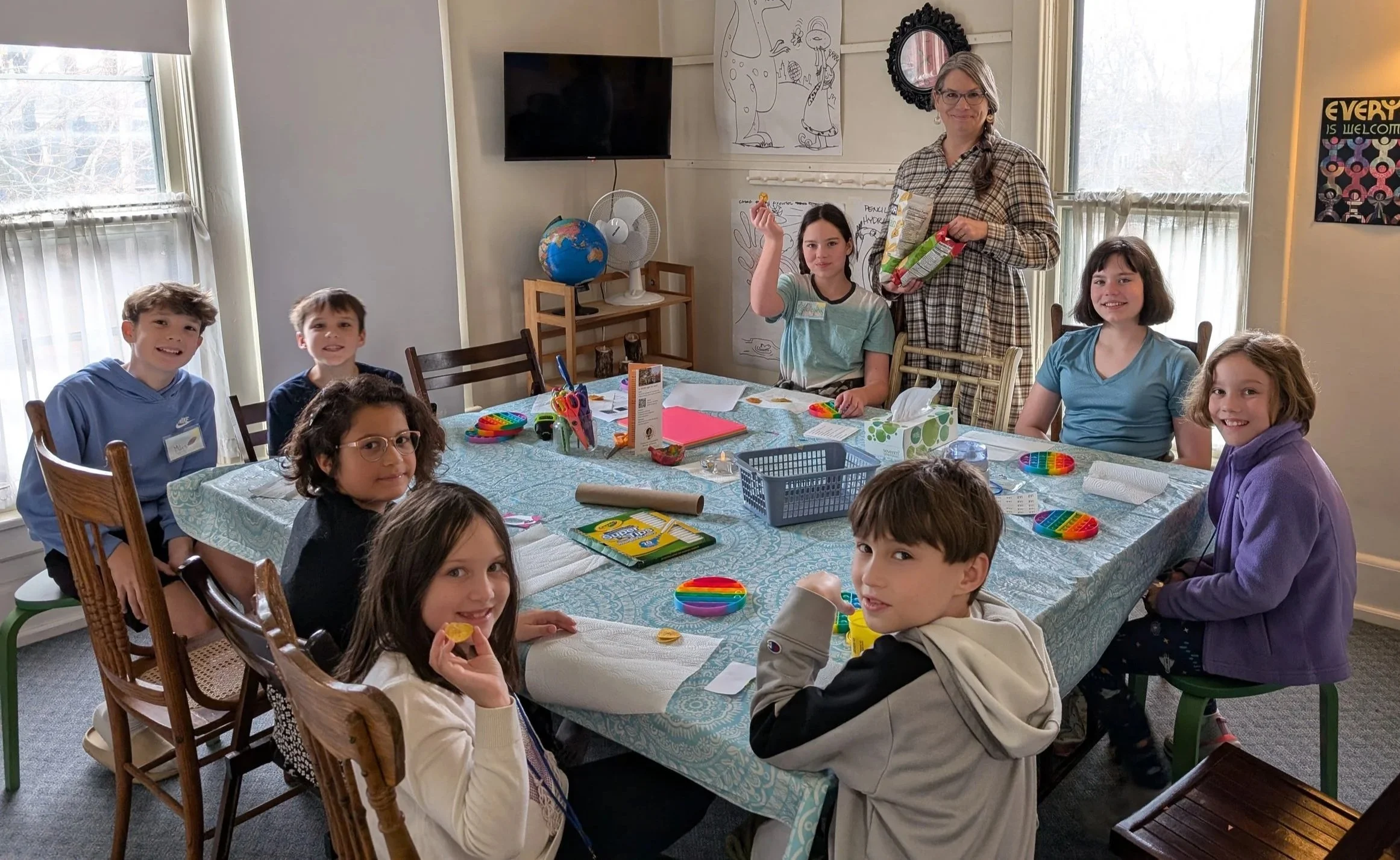
In RE, our kids have many opportunities to develop their own distinct UU identity. UU values and stories about inspiring UUs are woven into each monthly theme.
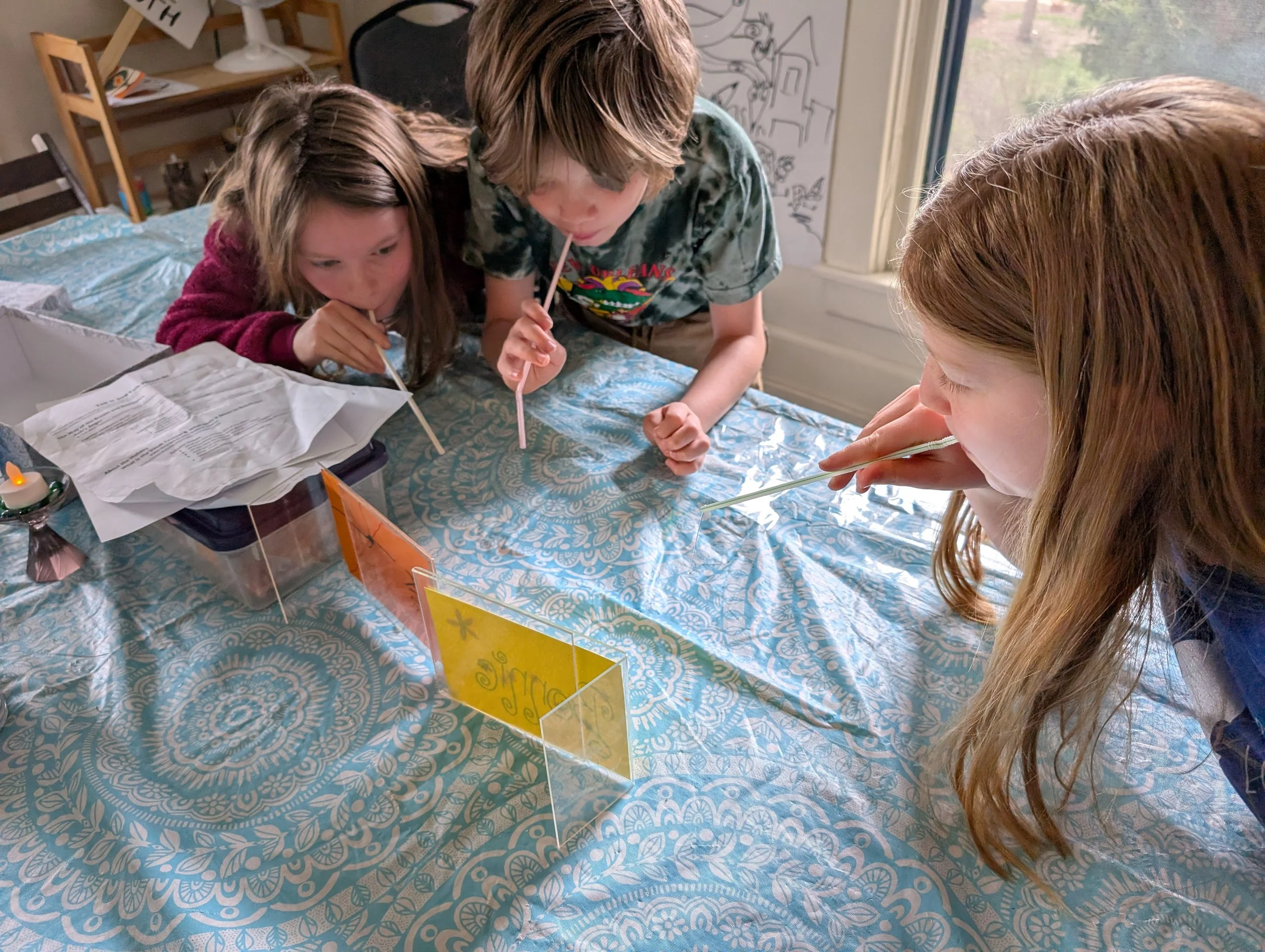
Each theme is designed as a "toolbox," not a curriculum. Which means teachers don't follow a rigid flow. Rather, they choose from activities and options (i.e., "building blocks") to create a lesson plan that best fits our youth and our setting.
special programs

Our whole lives (Grades k-1, 5-6 and 7-9)
We believe that honest, accurate information about sexuality and relationships can change lives, and save lives. It dismantles stereotypes and faulty assumptions, builds self-acceptance and self-esteem, fosters healthy relationships, improves decision making, and opens the door to honest communication. We are very proud to offer the Our Whole Lives (OWL) sexuality education curriculum for children and youth at different ages and stages.
Grades k-1 and 5-6 OWL
The K-1 and 5-6 OWL programs are alternatively offered each year. In winter/spring 2027, we will offer the 5-6 OWL program. Click the grade level you are interested in for workshop topics. The next K-1 session will be during the 2027-2028 school year.
Grades k-1 OWL
Our Whole Lives: Sexuality Education for Grades K-1 can help you educate your child about birth, babies, bodies, and families. You will be actively involved as your child learns through songs, stories, activities and at-home projects that promote family dialogue.
OWL values:
Self Worth
Sexual Health
Responsibility
Justice and Inclusivity
In eight, one-hour workshops, OWL models and teaches caring, compassion, respect, and justice. It helps young children identify their attitudes, values, and feelings about themselves, their sexuality, and others’ sexuality. Participants in Grades K-1 are guided by trained facilitators through an engaging curriculum that addresses age appropriate topics. In addition to a parent meeting and a parent-child orientation, parents are welcome to attend any or all of the workshops with their children. Homelinks keep parent-child communication open.
Workshops
1. Our Wonderful Bodies, Part 1
2. Our Wonderful Bodies, Part 2
3. Healthy Bodies, Safe Bodies
4. Families
5. Families and Feelings
6. Babies and Families
7. Birth of a Baby
8. Celebrations!
Grades 5-6 OWL
This ten-workshop curriculum is designed to help children ages nine through twelve to gain the knowledge, life principles, and skills they need to understand and express their sexuality in holistic, life-enhancing ways.
Like the other Our Whole Lives programs for different age groups, this comprehensive, developmentally appropriate program introduces key topics like values, body image, gender and sexual identity, peer pressure, and healthy relationships with sensitivity and inclusiveness, yet without specifically religious doctrine or reference. The underlying values of the program reflect the justice-oriented traditions of its publishers, the Unitarian Universalist Association and the United Church of Christ.
Workshops
Sexuality and values (Helps participants clarify, support and communicate their values about sexuality)
Images in popular culture (Become informed and aware of how the media portray sexuality)
Body image (Explore concept, understand diverse experiences people have with their body and its abilities, consider ways to keep your body healthy)
Changes of puberty (Understand physical and emotional changes of puberty)
Gender (Examine messages about gender. Learn what it means to have a gender identity and some of the many variations in gender identity)
Feelings and attraction (Understand the concept of being romantically attracted to someone, whether of a different or the same gender. Terms commonly used to talk about sexual orientation, think about what people may do in a variety of scenarios related to attraction)
Reproduction and staying healthy (Conception, pregnancy, contraception, sexually transmitted infections and other possible consequences of sexual activity)
Decisions and actions (Educates participants about a range of sexual activity, including masturbation and sexually explicit media (pornography). Participants have a chance to think about when they would and would not want to engage in certain behaviors)
Consent and peer pressure (Learn how to communicate about consent, to examine situations in which consent is violated, identify people in their lives who can offer help)
Healthy relationships and celebration (Understand components of a healthy relationship and a celebration for the conclusion of the program)
Grades 7-9 OWL

The 7-9 grade OWL program is open to students in grades 7, 8 and 9 during every other year. It is offered as a series of 8 three-hour sessions on Sundays. Kids who participate in OWL do not attend RE during the OWL session. This is an excellent program integrating relationship and comprehensive sexuality education with values from the perspective of our Unitarian Universalist community. The depths of relationships established during the OWL program help cement the youth to our UU community, and really help them form long-lasting bonds which carry over to the high school experience and beyond. OWL is designed to provide youth with safe spaces, time, and people with whom to share their questions and concerns. The facilitators for OWL are specifically chosen and trained to lead these very important and sensitive discussions, and have been appropriately screened to ensure they can provide a meaningful and safe experience for our youth.
Workshops
Group building and examining values (Program overview, expectations, establish ground rules. Engage in activities to promote group bonding. Youth explore and discuss their values and opinions about a wide range of sexuality issues.)
Sexuality and body awareness (Explore attitudes toward and increase comfort with sexual language, including anatomy, physiology, physical and emotional changes of puberty.)
Gender and diversity (Promote non stereotyped gender role attitudes and behaviors and explore impact of disability and other dimensions of diversity on sexuality and relationships.)
Sexual orientation and gender identity (Gain information and explore attitudes about people who are gay, lesbian and bisexual. Also introduces sexual diversity issues including what it means to be transgender or transsexual.)
Relationships (Present key qualities of relationships, explore issues such as peer pressure, provide opportunities to learn and practice relationship skills such as listening and decision making. Also dating relationships, marriage and other lifetime commitments.)
Lovemaking (Designed to answer young people’s questions about lovemaking. Counters negative media messages that often portray sexual behaviors out of the context of healthy, positive, consensual relationships. Youth also gain information and dispel myths about masturbation.)
Preparing for parenthood (Conception, pregnancy and birth. Realities of adolescent pregnancy and parenting for males and females.)
Responsible sexual behavior (Gain a broad definition of abstinence that excludes intercourse of any kind but allows for affection and low risk sexual contact. Contraception, unplanned pregnancy options, sexual decision making.)
Sexually transmitted infections (Present facts and promote skills for prevention.)
Abuse of sexuality (Present issues faced by individuals who’ve experienced sexual abuse as well as strategies for prevention and recovery. Define sexual harassment.)
Conclusion (Bring group experience to a closure.)
Please contact dre@uusg.org for dates and further information about this year’s OWL offerings.